Body in Balance Blog

Placeholder image

Hyperbaric Oxygen Therapy and Parkinson’s Disease: A Promising Supportive Approach

Parkinson’s disease is a progressive neurological condition that affects movement, coordination, and overall quality of life. While traditional medical treatments focus primarily on symptom management through medication and therapy, emerging research continues to explore innovative ways to support brain health and slow functional decline.

One therapy gaining increasing attention in neurological care is Hyperbaric Oxygen Therapy (HBOT) — a non-invasive treatment designed to enhance the body’s natural healing processes at the cellular level.

Understanding Parkinson’s Disease

Parkinson’s disease develops when dopamine-producing neurons in the brain gradually deteriorate. Dopamine is essential for smooth, coordinated muscle movement, and its loss contributes to hallmark symptoms such as:

  1. Tremors
  2. Muscle rigidity
  3. Slowed movement (bradykinesia)
  4. Balance difficulties
  5. Fatigue
  6. Cognitive changes

In addition to dopamine depletion, researchers have identified several underlying contributors to disease progression, including:

  1. Chronic inflammation
  2. Reduced oxygen delivery to brain tissue
  3. Mitochondrial dysfunction
  4. Oxidative stress
  5. Impaired neuroplasticity

These factors have led clinicians to explore therapies that improve oxygen utilization and support neurological repair.

What Is Hyperbaric Oxygen Therapy?

Hyperbaric Oxygen Therapy involves breathing concentrated oxygen inside a pressurized chamber. This process allows oxygen to dissolve more efficiently into the bloodstream and reach tissues that may be compromised due to injury, inflammation, or reduced circulation.

Under hyperbaric conditions, oxygen delivery can increase significantly — helping fuel cellular metabolism and supporting tissue recovery.

HBOT has long been used in medical settings for wound healing, radiation injury, and decompression sickness. More recently, it has drawn interest for its potential neurological benefits.

How HBOT May Support Patients with Parkinson’s

While HBOT is not a cure for Parkinson’s disease, growing evidence suggests it may serve as a valuable complementary therapy when incorporated into a comprehensive care plan.

Enhanced Brain Oxygenation

Neurons require substantial energy to function properly. Increased oxygen availability may help support brain metabolism and improve cellular resilience.

Reduction of Neuroinflammation

Inflammation is increasingly recognized as a driver of neurodegeneration. Research suggests HBOT may help modulate inflammatory responses, creating a more favorable environment for brain health.

Promotion of Neuroplasticity

One of the most exciting areas of HBOT research involves neuroplasticity — the brain’s ability to reorganize and form new neural connections. Improved oxygen delivery may help stimulate repair mechanisms and support functional adaptation.

Mitochondrial Support

Mitochondria are responsible for producing cellular energy. Dysfunction in these structures is commonly observed in Parkinson’s patients. Oxygen-rich conditions may help optimize energy production and cellular performance.

Potential Functional Improvements

Some studies and clinical observations have reported improvements in areas such as:

  1. Gait stability
  2. Motor coordination
  3. Mental clarity
  4. Energy levels
  5. Sleep quality

Individual responses vary, but many patients seek HBOT as part of a proactive strategy to maintain independence and daily function.

The Importance of a Comprehensive Care Model

Parkinson’s disease is complex, and optimal management often involves multiple therapeutic approaches working together.

HBOT is best viewed as supportive care, complementing treatments such as:

  1. Neurological oversight
  2. Physical therapy
  3. Exercise programs
  4. Chiropractic or mobility-focused care
  5. Nutritional support
  6. Lifestyle interventions

When integrated thoughtfully, these strategies can help patients pursue not only symptom relief but also improved overall wellness.

Is Hyperbaric Oxygen Therapy Safe?

HBOT is generally well tolerated when administered under professional supervision with proper screening protocols.

Before beginning care, patients should undergo a thorough evaluation to determine candidacy and ensure the therapy aligns with their medical history.

Our clinical team prioritizes safety, individualized treatment planning, and ongoing monitoring throughout the care process.

A Forward-Thinking Approach to Neurological Wellness

As research continues to evolve, hyperbaric oxygen therapy represents an exciting frontier in supportive neurological care. For individuals living with Parkinson’s disease — and for families seeking proactive options — therapies that promote cellular health and brain function offer renewed hope.

While no single treatment defines the journey, innovative therapies like HBOT may help patients move toward greater vitality, resilience, and quality of life.

Interested in learning whether Hyperbaric Oxygen Therapy is right for you or a loved one?

Our team is here to answer your questions, provide guidance, and help you explore personalized care options.

Contact our office today to schedule a consultation and discover how advanced therapies can support your path to better health.
SoftWave Therapy

Regenerative Healing for Those Who Refuse to Settle

SoftWave Therapy

Advanced Regenerative Healing for Those Who Refuse to Settle

There comes a moment when temporary solutions stop being acceptable.

When another round of rest… another medication… another short-lived improvement… simply isn’t enough.

Because your body is meant to move.

To perform.

To heal.

And when it doesn’t — the impact reaches far beyond physical discomfort. It influences how you work, how you sleep, how you exercise, and ultimately, how fully you experience your life.

At Body in Balance Chiropractic & Wellness, we believe modern patients deserve modern medicine — care that is proactive rather than reactive, restorative rather than suppressive.

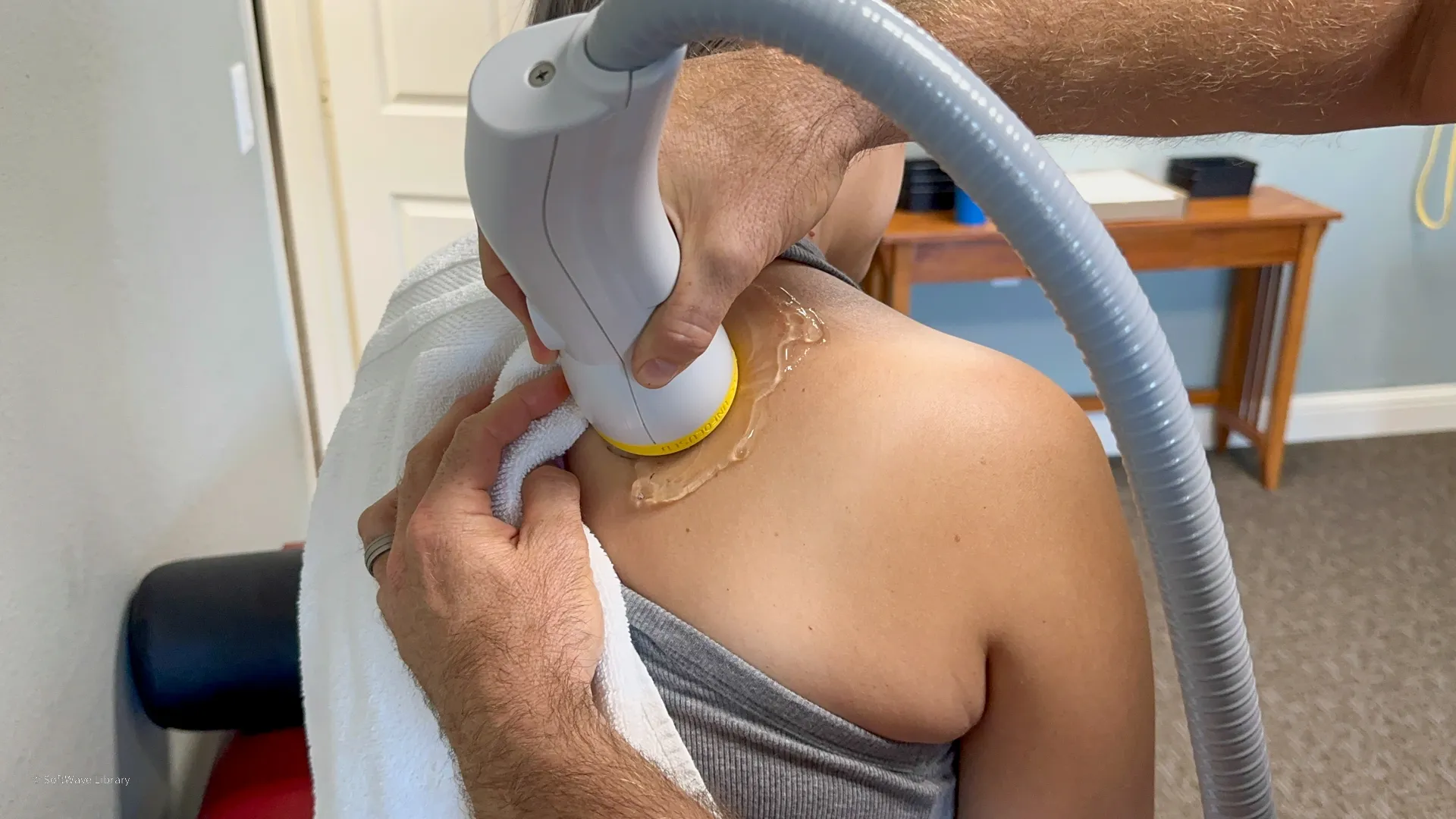
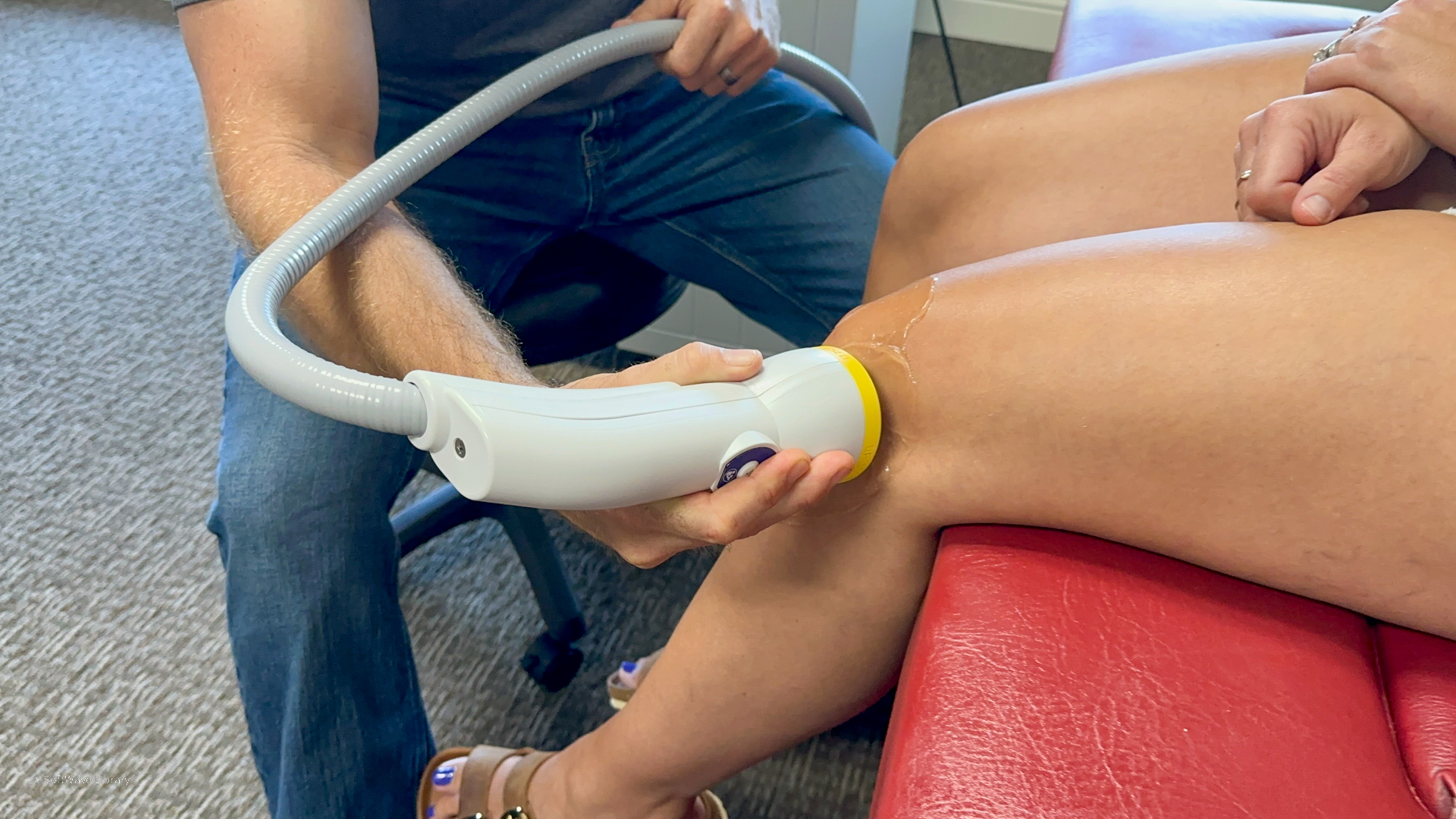
That belief is what led us to introduce SoftWave Therapy, one of the most sophisticated non-invasive regenerative technologies available today.

Not because it is trending.

Because it works.

This Is Not Symptom Management.

This Is Biological Activation.

Many traditional treatments attempt to quiet pain signals.

SoftWave takes a dramatically different approach.

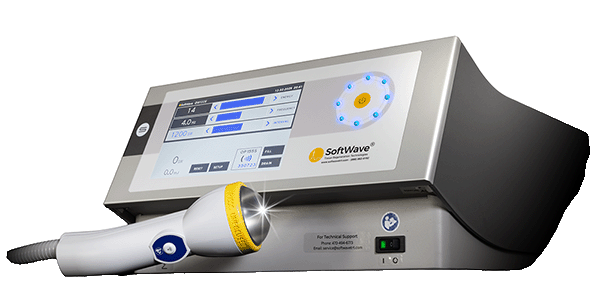
Using patented electrohydraulic shockwave technology, SoftWave delivers focused acoustic energy into damaged tissue, triggering a powerful biological communication inside the body — essentially asking an important question:

“Why hasn’t this area healed?”

Once stimulated, the body often responds exactly as it was designed to.

Repair begins.

Circulation improves.

Cellular activity increases.

Degenerative patterns are challenged.

Healing is no longer passive.

It becomes intentional.

Why Chronic Pain Persists — And What Most Treatments Miss

The human body is remarkably capable of recovery. Yet many injuries transition from acute to chronic not because they are severe — but because the healing cascade was never fully completed.

Tissue becomes stagnant.

Blood flow diminishes.

Inflammatory signals linger.

Over time, the body adapts to dysfunction.

SoftWave helps interrupt that pattern by reintroducing the mechanical signals necessary to restart regenerative activity at the cellular level.

This is why shockwave technology has earned growing respect across orthopedic, sports medicine, and performance-based healthcare environments.

It does not replace the body’s intelligence.

It amplifies it.

The Physiology Behind the Technology

SoftWave’s clinical value lies in its ability to influence multiple healing mechanisms simultaneously:

Recruitment of Restorative Cells

Research suggests shockwave therapy can assist in mobilizing the body’s own repair-capable cells toward areas of tissue stress or degeneration.

Advanced Microvascular Stimulation

Oxygen and nutrient delivery are foundational to healing. Enhanced microcirculation creates an environment where recovery can occur more efficiently.

Collagen Support and Structural Repair

Healthy connective tissue is essential for resilience. SoftWave encourages processes associated with stronger tissue formation.

Intelligent Inflammatory Modulation

Inflammation is a necessary phase of healing — but only when it progresses appropriately. SoftWave helps guide this process forward rather than allowing it to linger unresolved.

The result is a treatment designed not to mask dysfunction — but to challenge it.

Who Typically Chooses SoftWave?

SoftWave patients are often decisive individuals who value efficiency, innovation, and long-term results.

Many arrive after realizing they are no longer interested in chasing temporary relief.

Common concerns include:

  1. Persistent plantar fasciitis
  2. Shoulder pathology
  3. Knee discomfort
  4. Hip pain
  5. Tendinopathies
  6. Tennis or golfer’s elbow
  7. Chronic neck or back pain
  8. Neuropathy-related symptoms
  9. Scar tissue limitations
  10. Athletic injuries
  11. Biomechanical strain patterns

It is especially attractive to those hoping to avoid more invasive measures whenever possible.

What Makes the Experience Different

Treatments are brief.

There is little to no downtime.

No anesthesia is required.

But what patients often notice most is something harder to measure:

Renewed confidence in their body.

Many report meaningful changes in mobility, tension patterns, and pain behavior — sometimes sooner than expected.

While every recovery timeline is unique, the objective remains consistent:

Create measurable physiological change.

Not temporary comfort.

Why We Chose to Bring SoftWave to Body in Balance

Technology alone does not elevate a clinic.

Discernment does.

We are highly selective about the therapies we introduce because our patients trust us to provide care that reflects where healthcare is going — not where it has been.

SoftWave represents that future.

It aligns seamlessly with our clinical philosophy:

Support the body.

Restore function.

Optimize performance.

Protect longevity.

This is care designed for people who intend to remain active participants in their own lives.

Is It Time to Expect More From Your Healthcare?

If your recovery has plateaued…

If pain has quietly started dictating your choices…

If you are ready for a strategy built around restoration rather than maintenance…

It may be time to explore what advanced regenerative therapy can offer.

Every SoftWave care plan at Body in Balance begins with a comprehensive evaluation. Movement patterns, tissue behavior, clinical history, and long-term goals all inform our recommendations.

Because exceptional outcomes rarely happen by accident.

They are designed.

Where Innovation Meets Intention

Bringing SoftWave Therapy to our community was never about adding another service.

It was about raising the clinical standard.

About ensuring patients in our region have access to technology typically associated with major metropolitan performance centers.

About creating a place people feel confident choosing — even when their expectations are high.

Your body is engineered for recovery.

Sometimes it simply requires the right stimulus.

If you are ready to experience a more advanced approach to healing, we invite you to schedule your consultation.

Body in Balance Chiropractic & Wellness

📞 501-767-0900

🌐 bodyinbalancewellness.com